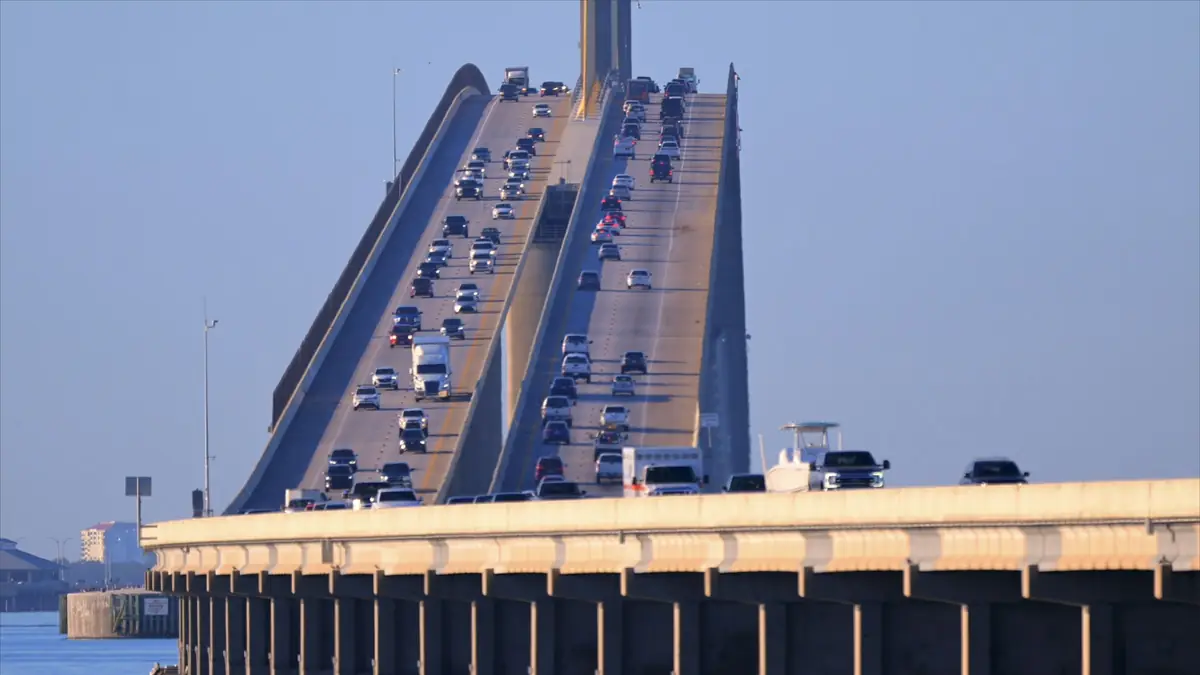
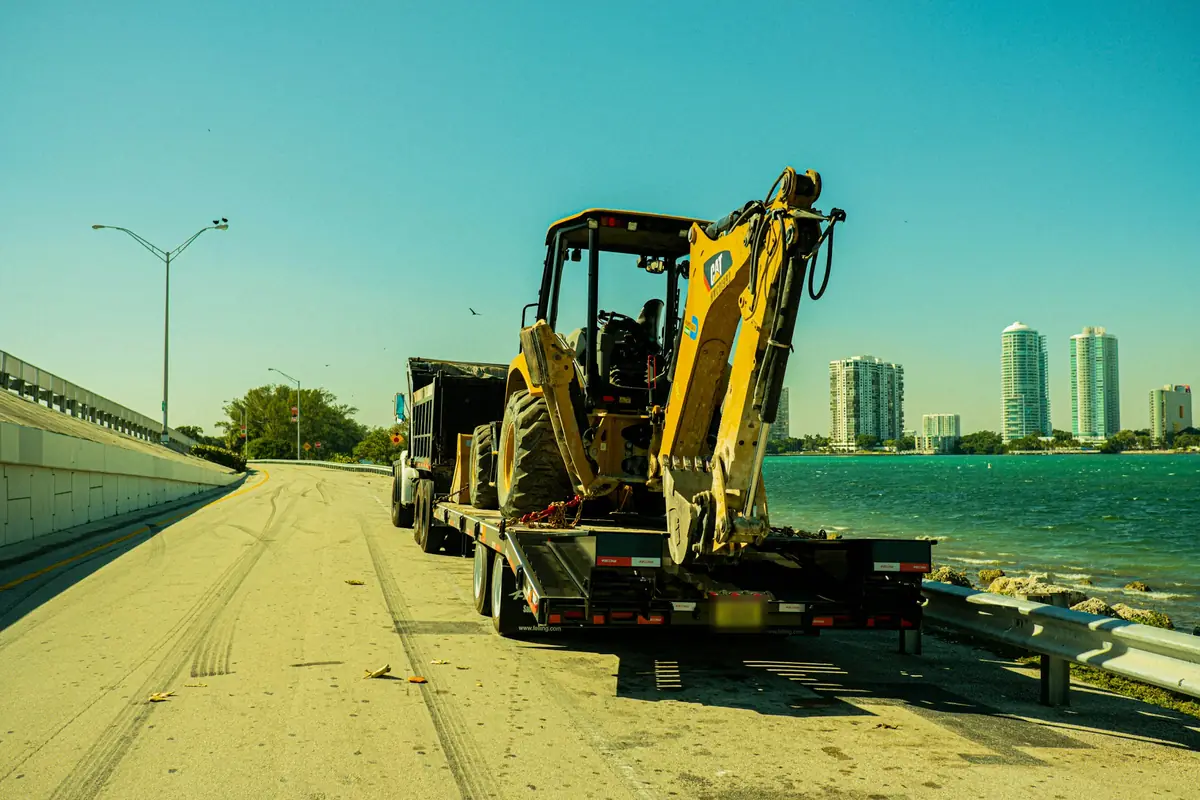
Each layer answers a different question, and each is elected separately.
Layer One: Liability While Towing
Your commercial auto liability generally extends to a trailer in tow, covering injuries and property damage arising from its use. What matters here is weight. If the combination rating passes 10,001 pounds, a vehicle used in interstate commerce becomes a commercial motor vehicle under federal safety rules (49 C.F.R. § 390.5T), and Florida's own definition picks up any vehicle with three or more axles regardless of weight, plus combinations over 26,001 pounds (s. 320.01(25), Fla. Stat.).
Cross those thresholds and the weight-based liability minimums in s. 627.7415, Fla. Stat. apply: $50,000 combined at 26,000 to 34,999 pounds, $100,000 at 35,000 to 43,999, and $300,000 at 44,000 and above. A tandem-axle equipment trailer behind a one-ton can get there faster than owners expect.
Layer Two: Physical Damage on the Trailer
Trailers are scheduled like vehicles, with their own values and deductibles. Enclosed trailers, dump trailers, gooseneck equipment trailers, utility trailers and tag trailers are all insurable, and an unscheduled trailer is an uninsured trailer even when the truck pulling it carries full coverage.
Theft is the driving exposure. Trailers left at job sites, behind shops and in unfenced yards across Tampa Bay are stolen regularly, and comprehensive coverage on the scheduled trailer is what replaces them.
Layer Three: Tools and Equipment (Inland Marine)
Contractors equipment coverage, often called an equipment floater or inland marine, covers what the trailer carries: mowers, skid steers, mini excavators, compressors, generators, jetters, ladders, pressure washers and hand tools. It follows the equipment wherever it goes rather than being tied to one vehicle or location.
Two details decide whether a claim works. Higher-value items are usually scheduled individually with serial numbers, while smaller tools sit under a blanket limit. And the settlement basis matters: replacement cost versus actual cash value is the difference between buying a new machine and buying a depreciated one.